What wine goes with profiteroles?
Data-driven wine advice from SommelierX
Get your wine for this dishFree · right in your browser
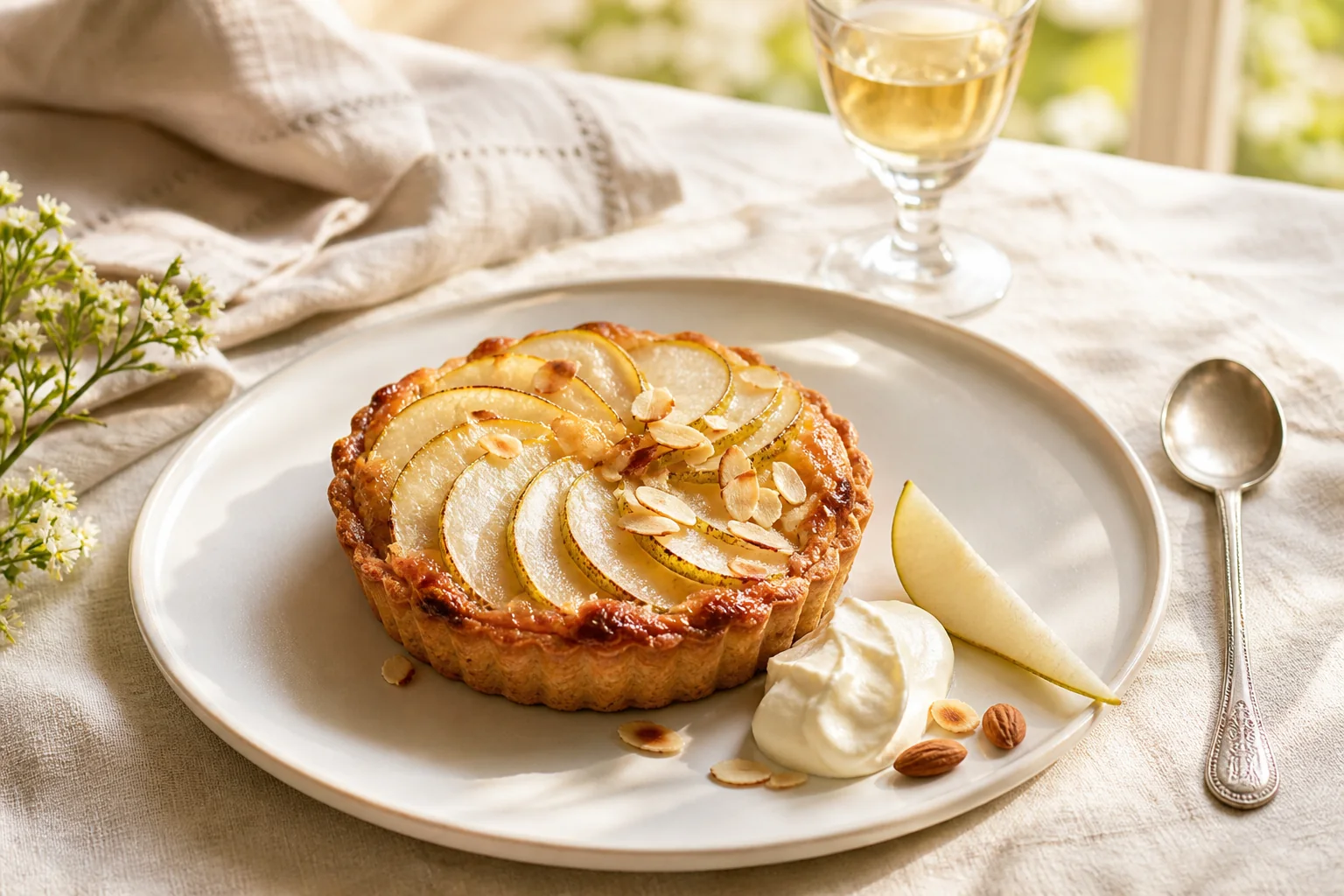
Pairing wine with profiteroles is all about balance. Choux pastry and whipped cream give this dish its own character, and the right bottle amplifies exactly those flavours without drowning them. Instead of a vague "red or white", we look at the full flavour profile — the Wine DNA — and find wines whose properties measurably align with it. Below you will first see that flavour profile, then the wines our algorithm returns as the best match, each with a short explanation of why that particular combination works.
The Wine DNA of profiteroles
The Wine DNA of profiteroles shows a clear profile: Earthy and sweetness are the strongest flavour axes. Our algorithm translates this flavour balance into wines whose own DNA axes — acidity, tannin, body, fruit and spice — complement the dish rather than overpower it. The higher an axis below, the more that taste defines the dish and the more precisely the wine selection responds to it.
Flavour profile (0-5)
Top 5 wines with profiteroles
Marsala
Fortified wine · Sicilia, ItalyCatarratto from Sicily, Italy: the warm alcohol carries the richer flavours and the full body stands up to the intensity on the plate, a logical match for the earthy undertone of profiteroles.
Marsala Reserva
Fortified wine · Sicilia, ItalyCatarratto from Sicily, Italy: the earthy undertone echoes the savoury depth and the warm alcohol carries the richer flavours, a logical match for the earthy undertone of profiteroles.
Banyuls
Fortified wine · Languedoc-Roussillon, FranceCarignan from Languedoc-Roussillon, France: the full body stands up to the intensity on the plate and the spicy note hooks into the seasoning, a logical match for the earthy undertone of profiteroles.
Pedro Ximenez Sherry
Fortified wine · Andalucía, SpainPedro Ximénez from Andalusia, Spain: a touch of residual sweetness softens spicy and salty accents and the full body stands up to the intensity on the plate, a logical match for the earthy undertone of profiteroles.
Vintage Marsala
Fortified wine · Sicilia, ItalyCatarratto from Sicily, Italy: the earthy undertone echoes the savoury depth and the warm alcohol carries the richer flavours, a logical match for the earthy undertone of profiteroles.
What ties this selection together: the earthy undertone of profiteroles leads, and every recommended wine answers that flavour axis in its own way — one with structure, another with fruit or freshness. So you do not get a single "correct" bottle, but a range that all start from the same flavour principle. Choose by colour, price or occasion; the match with the dish is reasoned in every case.
Serving tips
Golden rule with profiteroles: the wine must be at least as sweet as the dessert, or it tastes flat.
Serve dessert wine well chilled (8-10°C) so the sweetness stays fresh with profiteroles.
Match the intensity: the richer profiteroles is on the plate, the fuller the wine may be.
Frequently asked questions
Which wine pairs best with profiteroles?
Based on the Wine DNA, Marsala from Sicily, Italy scores as the best match with profiteroles, with a pairing score of 85. That is because the wine aligns with the earthy undertone that characterises this dish.
Is Catarratto a good grape with profiteroles?
Catarratto tops our list for profiteroles, precisely because the grape profile measurably matches the dish's flavour balance.
Discover your calculated wine match
Scan your label or enter your dish and instantly see whether this bottle fits profiteroles — free, with a score.
Open SommelierXOr get the app: