What wine goes with stuffed vine leaves?
Data-driven wine advice from SommelierX
Get your wine for this dishFree · right in your browser
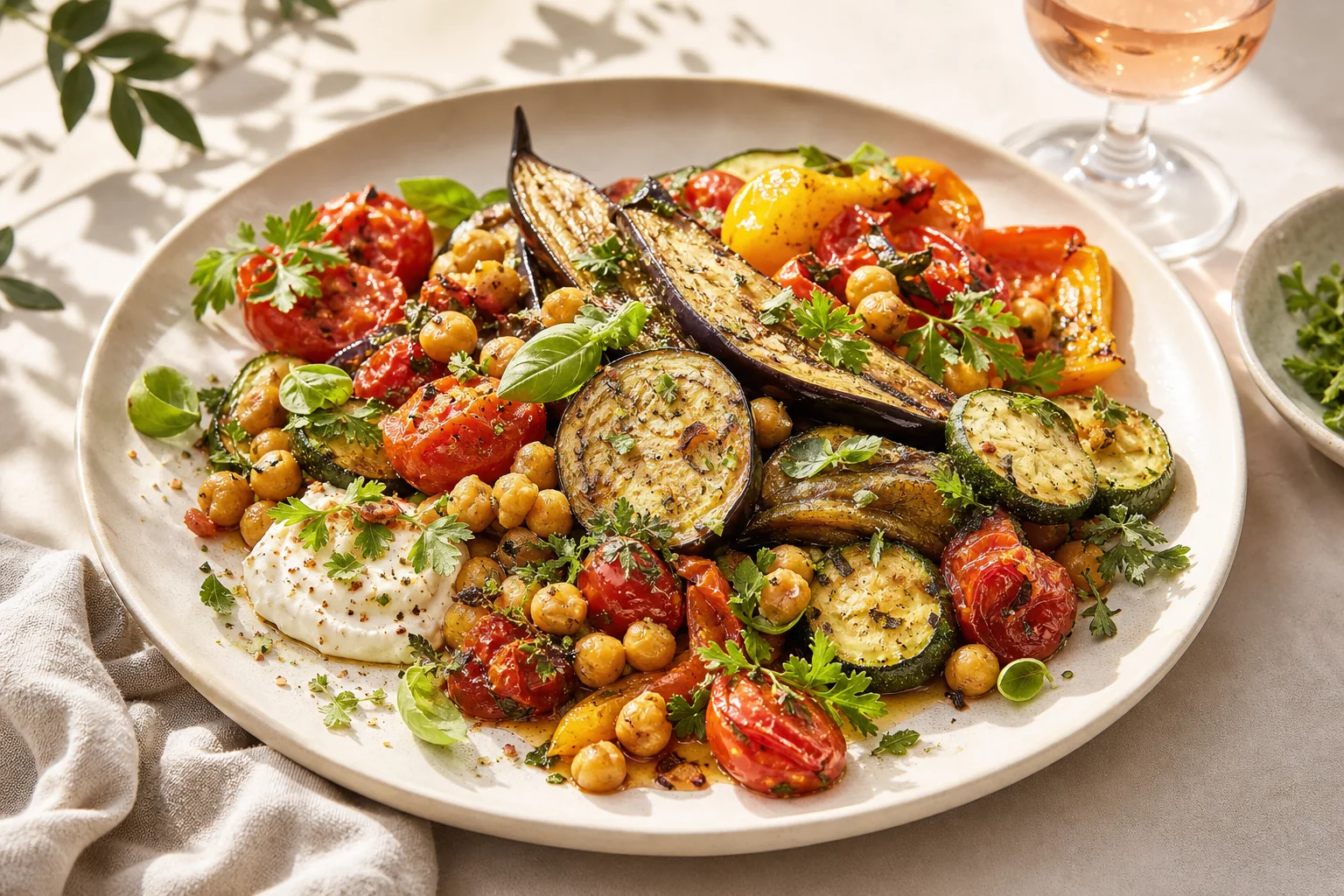
Stuffed vine leaves deserves more than a random bottle. With vine leaves and rice as its leading flavours, this dish calls for a wine that follows its intensity — neither too light nor overwhelming. Our Wine DNA model breaks the dish down into flavour axes and finds the wines whose profile sits closest. That way you know not only which wine fits, but why. Below you will find the flavour profile, the recommended wines with grape and region, and tips to get the most out of the combination.
The Wine DNA of stuffed vine leaves
The Wine DNA of stuffed vine leaves shows a clear profile: Acidity and sweetness are the strongest flavour axes. Our algorithm translates this flavour balance into wines whose own DNA axes — acidity, tannin, body, fruit and spice — complement the dish rather than overpower it. The higher an axis below, the more that taste defines the dish and the more precisely the wine selection responds to it.
Flavour profile (0-5)
Top 5 wines with stuffed vine leaves
Barbera Piemonte
Red wine · Piemonte, ItalyBarbera from Piedmont, Italy: the ripe fruit lays a round layer over the dish and the firm tannins grip the protein and fat, a logical match for the fresh acidity of stuffed vine leaves.
Nerello Southern Italy
Red wine · Southern Italy, ItalyNerello Mascalese from Southern Italy, Italy: the fresh acidity keeps every bite lively and the ripe fruit lays a round layer over the dish, a logical match for the fresh acidity of stuffed vine leaves.
Sangiovese Italy
Red wine · ItalySangiovese from Italy: the fresh acidity keeps every bite lively and the ripe fruit lays a round layer over the dish, a logical match for the fresh acidity of stuffed vine leaves.
Montepulciano Italy
Red wine · Central Italy, ItalyMontepulciano from Central Italy, Italy: the ripe fruit lays a round layer over the dish and the firm tannins grip the protein and fat, a logical match for the fresh acidity of stuffed vine leaves.
Dolcetto Italy
Red wine · ItalyDolcetto from Italy: the ripe fruit lays a round layer over the dish and the fresh acidity keeps every bite lively, a logical match for the fresh acidity of stuffed vine leaves.
What ties this selection together: the fresh acidity of stuffed vine leaves leads, and every recommended wine answers that flavour axis in its own way — one with structure, another with fruit or freshness. So you do not get a single "correct" bottle, but a range that all start from the same flavour principle. Choose by colour, price or occasion; the match with the dish is reasoned in every case.
Serving tips
Let a full-bodied red breathe for 20-30 minutes before pouring it with stuffed vine leaves.
Match the intensity: the richer stuffed vine leaves is on the plate, the fuller the wine may be.
Torn between two wines? Pick the one with the highest score above — it aligns most tightly with the profile.
Frequently asked questions
Which wine pairs best with stuffed vine leaves?
Based on the Wine DNA, Barbera Piemonte from Piedmont, Italy scores as the best match with stuffed vine leaves, with a pairing score of 93. That is because the wine aligns with the fresh acidity that characterises this dish.
Does red wine go with stuffed vine leaves?
Yes. Barbera Piemonte (Piedmont, Italy) is a strong red choice; its structure follows the intensity of stuffed vine leaves.
Is Barbera a good grape with stuffed vine leaves?
Barbera tops our list for stuffed vine leaves, precisely because the grape profile measurably matches the dish's flavour balance.
Discover your calculated wine match
Scan your label or enter your dish and instantly see whether this bottle fits stuffed vine leaves — free, with a score.
Open SommelierXOr get the app: