Wine Sweetness Scale: From Bone Dry to Lusciously Sweet
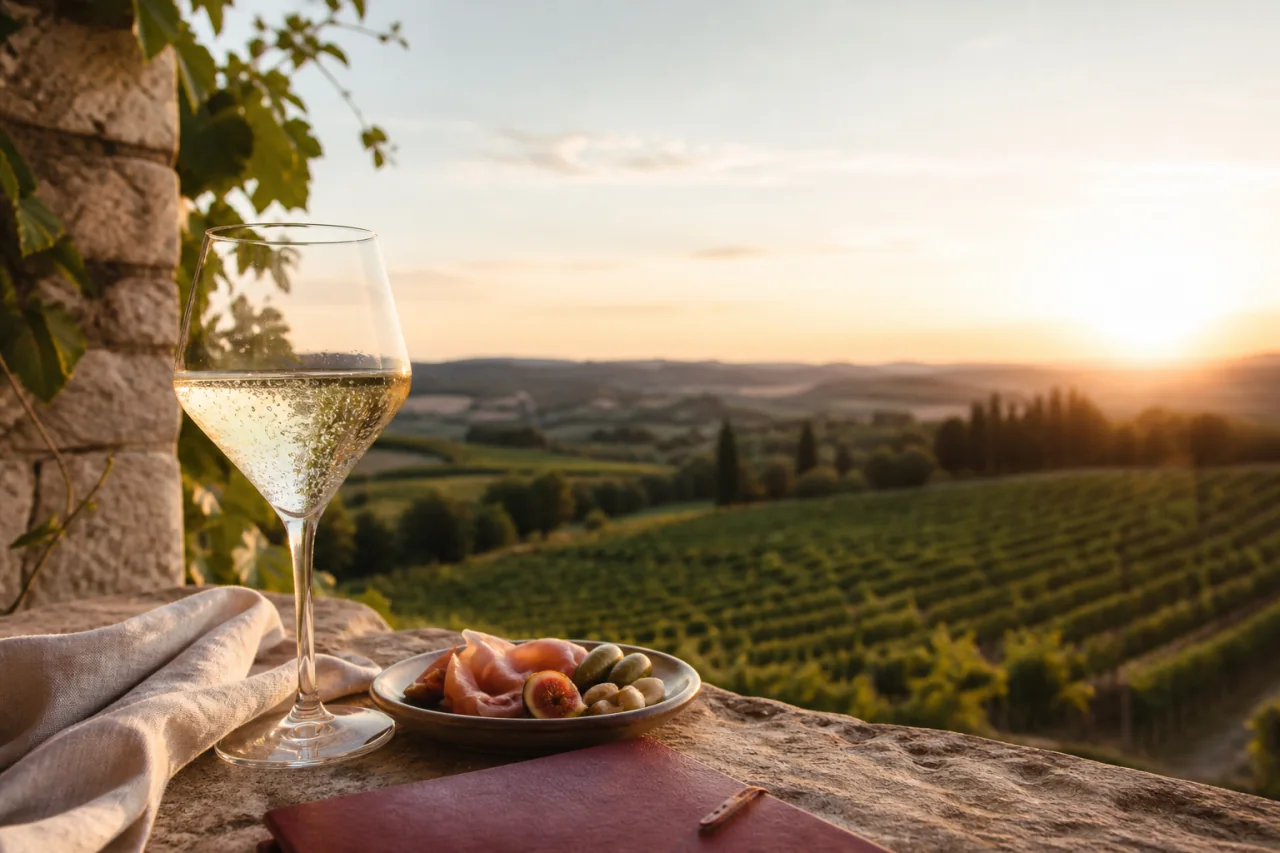
Walk into a wine shop and ask for a "dry" wine. You will get a confident nod. Ask for a "slightly sweet" wine and you might get a puzzled look -- or worse, a bottle of something cloyingly sugary. The wine world has a complicated relationship with sweetness. Most people claim to drink dry wine, yet some of the world's most celebrated (and expensive) wines are sweet.
Understanding the sweetness scale changes how you think about wine and food pairing. Some of the most magical pairings in existence -- Sauternes with foie gras, Port with Stilton, off-dry Riesling with Thai curry -- depend entirely on residual sugar. This guide explains the full spectrum, from bone dry to dessert sweet, and shows you when sweetness is exactly what your food needs.
What Is Residual Sugar?
When grapes are fermented, yeast converts sugar into alcohol. If the yeast converts all the sugar, the wine is dry. If some sugar remains unconverted, that leftover sugar is called residual sugar (RS), measured in grams per liter (g/L).
Winemakers control RS in several ways:
- Stopping fermentation: Cooling the wine or adding sulfites to kill the yeast before all sugar is consumed
- Fortification: Adding grape spirit (brandy) to kill the yeast, preserving sugar. This is how Port and Sherry are made.
- Natural arrest: In very sweet wines, the sugar concentration becomes so high that the yeast simply cannot survive
The Complete Sweetness Scale
Bone Dry: Less than 1 g/L
No perceptible sweetness at all. These wines fermented to complete dryness.
- Most red wines -- Cabernet Sauvignon, Pinot Noir, Sangiovese, Tempranillo
- Chablis -- steely, mineral, zero sweetness
- Muscadet -- bone dry with saline minerality
- Brut Nature Champagne -- zero dosage, absolutely dry sparkling
Dry: 1-9 g/L
Technically contains some sugar, but below the threshold of human perception for most people. These wines taste dry.
- Most white wines -- Sauvignon Blanc, Pinot Grigio, Gruner Veltliner
- Brut Champagne -- up to 12 g/L, but high acidity masks the sweetness
- Dry Riesling -- labeled "trocken" in Germany or "sec" in Alsace
Off-Dry: 9-18 g/L
A hint of sweetness that most people find incredibly appealing -- even those who insist they only drink dry wine. Off-dry wines are the sweet spot (pun intended) for food pairing.
- Riesling Kabinett -- Germany's entry-level sweetness, with electric acidity keeping it balanced
- Chenin Blanc (Vouvray demi-sec) -- honeyed but fresh
- Gewurztraminer -- the lychee-and-rose perfume with a touch of sweetness
- White Zinfandel -- simple and fruity, the gateway off-dry wine
Off-dry wines are the secret weapon for spicy food. The sugar absorbs heat from capsaicin, while the acidity keeps the palate fresh. An off-dry Riesling with Thai green curry is one of the greatest pairings on earth.
Medium-Sweet: 18-45 g/L
Clearly sweet, but balanced by acidity so they do not taste like syrup. These wines occupy a niche that is underexplored by most wine drinkers.
- Riesling Spatlese -- richer, sweeter, but still vibrant
- Sauternes -- golden, honeyed Bordeaux dessert wine made from botrytis-affected grapes
- Gewurztraminer Vendange Tardive -- late-harvest Alsatian opulence
- Moscato d'Asti -- light, gently fizzy, and peachy sweet
Sweet: 45-120 g/L
Richly sweet wines designed for dessert or strong cheese pairings.
- Tokaji Aszu (5 puttonyos) -- Hungary's legendary amber nectar with intense botrytis character
- Beerenauslese -- German berry-selected sweet wine, intensely concentrated
- Late Harvest Riesling -- from Alsace or New World, golden and honeyed
Lusciously Sweet: 120+ g/L
The ultimate in sweetness. These wines are sipped in tiny quantities and can age for decades.
- Tokaji Eszencia -- can contain 450+ g/L of sugar. More syrup than wine. Ages for over a century.
- Ice Wine (Eiswein) -- made from grapes frozen on the vine, concentrating their sugar. Intensely sweet with searing acidity.
- Pedro Ximenez Sherry -- black, viscous, and almost impossibly sweet. Tastes like liquid raisins, coffee, and chocolate.
- Trockenbeerenauslese (TBA) -- Germany's rarest, sweetest classification. Individual shriveled berries selected by hand.
Sweetness and Food Pairing
Sweetness is one of the most powerful tools in food pairing -- and one of the most misused. Here are the rules:
Spicy Food Loves Sweetness
Capsaicin (the heat compound in chilies) amplifies the perception of alcohol and tannin, but is soothed by sugar. This is why off-dry wines are the go-to for spicy cuisines. A slightly sweet Riesling or Gewurztraminer will make a fiery curry sing, while a dry, tannic red will make it burn. Our spicy food pairing guide explores this in depth.
Dessert Demands Sweeter Wine
The golden rule: the wine must be at least as sweet as the dessert. If the food is sweeter than the wine, the wine tastes bitter, thin, and acidic. This is why serving a dry red with chocolate cake is a disaster -- the sugar in the cake strips the wine of its fruit and leaves only bitterness and tannin.
- Chocolate cake: Pair with Ruby Port or Banyuls
- Fruit tart: Pair with Sauternes or late-harvest Riesling
- Creme brulee: Pair with Tokaji Aszu or Muscat de Beaumes-de-Venise
Salty Food and Sweet Wine: The Secret Pairing
Salt and sweetness are a powerful combination -- in food (salted caramel, prosciutto and melon) and in wine pairing. The most famous example: Port with Stilton cheese. The salt in the blue cheese amplifies the sweetness of the Port, and the sweetness tames the salt's edge. Other combinations:
- Sauternes + Roquefort -- perhaps the greatest cheese-and-wine pairing in existence
- Off-dry Riesling + soy-glazed dishes -- the salt in soy sauce makes the wine's sweetness pop
- Gewurztraminer + Munster cheese -- Alsatian tradition: pungent, salty cheese with aromatic, sweet wine
How SommelierX Handles Sweetness
Sweetness is one of the 19 wine dimensions and 17 dish dimensions in SommelierX's Wine DNA system. When you enter a dish, the algorithm evaluates the dish's spice level, salt content, sweetness, and dominant flavors to determine the ideal RS range for the wine.
A spicy dish gets matched with off-dry wines. A dessert gets matched with wines sweeter than the food. A savory dish with no spice gets matched with dry wines. The calculation happens automatically, drawing on the same flavor profile science that professional sommeliers use -- but faster and more precise.
Find the right sweetness for your dish
SommelierX calculates the ideal wine sweetness for any meal -- from bone dry to lusciously sweet. Science-based, not guesswork.
Try SommelierX FreeOr get the app:

Frequently Asked Questions
Is "dry" wine really dry?
Usually, yes -- most wines labeled "dry" contain less than 4 g/L of residual sugar, which is below the perception threshold for most people. However, some wines that taste sweet are marketed as dry, and some wines with measurable sugar taste dry because their acidity is high enough to mask the sweetness. Champagne Brut, for example, can contain up to 12 g/L of sugar but tastes dry because of its extreme acidity.
Why do people say they don't like sweet wine?
Most people associate "sweet wine" with cheap, poorly made wine -- and admittedly, a lot of mass-produced sweet wine is exactly that. But the world's greatest sweet wines (Sauternes, Tokaji, Ice Wine, great Riesling) are among the most complex, nuanced, and long-lived wines in existence. They are also among the most expensive. The prejudice against sweetness is cultural, not qualitative.
Can red wine be sweet?
Absolutely. Ruby Port, Banyuls, Recioto della Valpolicella, and Lambrusco (many styles) are all sweet or off-dry red wines. They are often the best choice for chocolate-based desserts and strong blue cheeses. Most everyday red wines are dry, but the sweet red wine category includes some of the world's finest dessert wines.
How does sweetness affect wine body?
Sugar adds weight and viscosity to wine, so sweeter wines tend to feel fuller-bodied. An Ice Wine with 200 g/L of sugar has an almost syrupy texture, regardless of its alcohol content. This relationship between sweetness and body is important for food pairing: sweet wines feel heavy, so they need food that can match that weight (rich desserts, strong cheeses, foie gras).
Dive deeper into wine fundamentals with our guides on wine acidity and the ultimate wine pairing chart.