Wine Flavor Profiles Explained: Understanding What You Taste
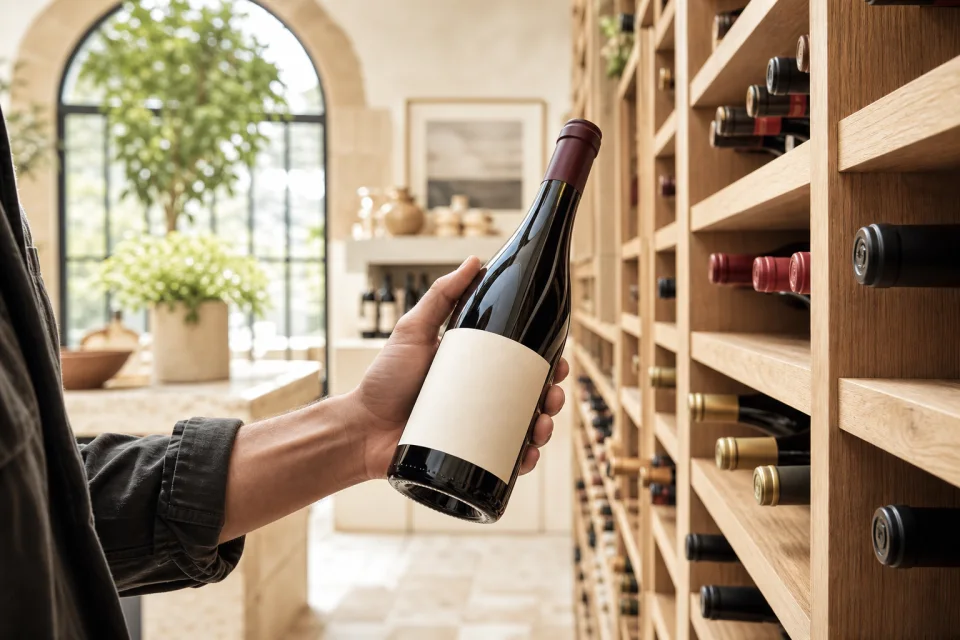
Every wine tells a story through its flavors. But when someone says a wine tastes like "blackcurrant with hints of cedar and a touch of graphite," it can feel like a foreign language. The truth is, understanding wine flavor profiles is not about having a gifted palate -- it is about knowing what to look for and why those flavors exist.
This guide breaks down the three categories of wine aromas, maps the most common flavor profiles for red and white wines, and explains how SommelierX uses 19 wine dimensions and 17 dish dimensions to match wines to food through a structured calculation.
The Three Categories of Wine Aromas
Every flavor and aroma you detect in wine falls into one of three categories. Understanding these categories is the single most useful framework for making sense of what you taste.
Primary Aromas: From the Grape
Primary aromas come directly from the grape variety and the vineyard where it was grown. These are the fruit, floral, and herbal notes that define a grape's identity.
- Fruit: Cherry, blackberry, plum, apple, citrus, peach, tropical fruits
- Floral: Rose, violet, jasmine, elderflower, orange blossom
- Herbal: Green bell pepper, eucalyptus, mint, grass, thyme
Climate plays a major role. Cool-climate grapes tend toward tart fruit (green apple, cranberry), citrus, and herbal notes. Warm-climate grapes lean toward ripe fruit (blackberry, fig), tropical notes, and less herbaceousness. The same Pinot Noir grape will taste completely different grown in Burgundy versus Central Otago.
Secondary Aromas: From Fermentation
Secondary aromas develop during the winemaking process -- fermentation, malolactic conversion, and lees contact. These are the aromas the winemaker introduces through technique.
- Yeast-derived: Bread, brioche, biscuit (common in Champagne)
- Malolactic: Butter, cream, yogurt (common in oaked Chardonnay)
- Lees contact: Nutty, toasty, creamy texture
When someone describes a Champagne as "bready" or a Chardonnay as "buttery," they are describing secondary aromas. These are not from the grape -- they are from what happened after the grape was picked.
Tertiary Aromas: From Aging
Tertiary aromas develop over time, either in oak barrels or in the bottle. These are the complex, evolved flavors that distinguish a young wine from a mature one.
- Oak-derived: Vanilla, cedar, coconut, smoke, toast, coffee, chocolate
- Bottle aging: Leather, tobacco, dried fruit, mushroom, truffle, forest floor
- Oxidative: Caramel, toffee, honey, almond (in sherries and certain aged whites)
Red Wine Flavor Profiles
Red wines span an enormous range, from delicate and perfumed to bold and tannic. Here are the three main profile categories and the grapes that define them.
Light and Fruity
Key grapes: Pinot Noir, Gamay, Zweigelt
These wines are about finesse, not power. Expect red fruit (cherry, strawberry, raspberry), floral notes (rose, violet), and a silky, light body. Tannins are low, acidity is often high, and the overall impression is elegance.
- Pinot Noir (Burgundy): Cherry, raspberry, mushroom, earth
- Gamay (Beaujolais): Strawberry, banana, bubblegum, pepper
- Zweigelt (Austria): Sour cherry, spice, mild tannins
Food pairing direction: salmon, duck, mushroom risotto, roast chicken. These wines complement rather than dominate. Read more in our pasta pairing guide about matching lighter reds with tomato sauces.
Medium and Spicy
Key grapes: Tempranillo, Sangiovese, Grenache, Merlot
The versatile middle ground. These wines combine fruit with earthy, savory, and spicy elements. Body is moderate, tannins are present but not aggressive, and food-friendliness is high.
- Tempranillo (Rioja): Cherry, leather, tobacco, vanilla (from oak)
- Sangiovese (Chianti): Sour cherry, tomato leaf, herbs, dried flowers
- Grenache (Rhone): Raspberry, garrigue herbs, white pepper, licorice
- Merlot (Bordeaux): Plum, chocolate, bay leaf, soft tannins
Bold and Tannic
Key grapes: Cabernet Sauvignon, Syrah/Shiraz, Nebbiolo, Malbec, Tannat
These are the heavyweights. Dark fruit (blackcurrant, blackberry, plum), high tannins, full body, and often significant oak influence. They demand food that can stand up to their intensity.
- Cabernet Sauvignon (Napa/Bordeaux): Blackcurrant, cedar, graphite, mint
- Syrah (Northern Rhone): Blackberry, black pepper, smoked meat, olive
- Nebbiolo (Barolo): Cherry, rose, tar, truffle, incredible tannins
- Malbec (Argentina): Plum, dark chocolate, violet, leather
Food pairing direction: ribeye steak, braised lamb, hard aged cheeses, hearty stews. The fat and protein in these dishes soften the tannins and let the fruit shine. Our steak pairing guide covers this in detail.
White Wine Flavor Profiles
White wines are often underestimated in terms of complexity. The range from a bone-dry Chablis to a lusciously sweet Sauternes is vast.
Light and Crisp
Key grapes: Sauvignon Blanc, Pinot Grigio, Muscadet, Albarino
High acidity, minimal oak, and bright fruit define this category. These wines are refreshing, food-friendly, and often the best choice for seafood and salads.
- Sauvignon Blanc (Loire/Marlborough): Grapefruit, gooseberry, grass, mineral
- Pinot Grigio (Friuli): Green apple, pear, lemon, almond
- Muscadet (Loire): Citrus, sea salt, mineral, yeast
- Albarino (Rias Baixas): Peach, apricot, saline, floral
Aromatic
Key grapes: Riesling, Gewurztraminer, Muscat, Torrontes
Intensely perfumed wines with explosive aromas. These grapes are nature's most fragrant, producing wines that you can smell from across the room.
- Riesling (Alsace/Germany): Lime, petrol, honey, stone fruit, mineral
- Gewurztraminer: Lychee, rose, ginger, Turkish delight
- Muscat: Grape, orange blossom, musk, peach
Rich and Oaky
Key grapes: Chardonnay (oaked), Viognier, Marsanne, Semillon
Full-bodied whites with oak influence, creamy texture, and rich fruit. These wines bridge the gap between white and red in terms of weight and food pairing versatility.
- Oaked Chardonnay (Burgundy/Sonoma): Butter, vanilla, apple, hazelnut, toast
- Viognier (Rhone): Apricot, peach, honeysuckle, cream
- Marsanne: Almond, quince, beeswax, white flowers
Food pairing direction: lobster, roast chicken with cream sauce, pork chops, rich fish like halibut. These wines need food with substance.
How SommelierX Maps Flavor Profiles
Traditional wine descriptions rely on subjective tasting notes. SommelierX takes a different approach: we map every wine across 17 measurable flavor dimensions -- including acidity, sweetness, tannin, body, fruit intensity, oak influence, herbal character, mineral quality, and more.
This creates what we call a Wine DNA profile -- a precise, multi-dimensional fingerprint for every wine. When you enter a dish into SommelierX, our algorithm matches the dish's flavor profile against thousands of Wine DNA profiles to calculate the optimal pairing.
- Beyond "red or white": The algorithm considers the full spectrum of each wine's character
- Sauce-aware: A chicken dish with lemon sauce gets a different match than the same chicken with mushroom cream
- Personalized: Your taste preferences influence which profiles are prioritized
Discover your wine flavor profile
SommelierX maps every wine style across 19 wine dimensions. Enter any dish and get a science-based pairing in seconds.
Try SommelierX FreeOr get the app:

Frequently Asked Questions
How do I identify flavors in wine?
Start with the three categories: fruit (primary), fermentation notes like bread or butter (secondary), and aging notes like vanilla or leather (tertiary). Swirl the glass, smell before you sip, and think about what the aroma reminds you of. There are no wrong answers -- flavor perception is personal, and the more you practice, the more specific your descriptions become.
Why does wine taste like things that are not grapes?
Wine contains hundreds of chemical compounds, many of which are identical to compounds found in other foods. The molecule that makes blackcurrant smell like blackcurrant is the same molecule found in Cabernet Sauvignon. You are not imagining it -- the chemistry is real.
Do all wines of the same grape taste the same?
Not at all. Climate, soil, winemaking technique, and aging all influence the final flavor profile. A Chardonnay from Chablis (cool, no oak) tastes completely different from a Chardonnay from Napa (warm, heavy oak). The grape sets the foundation, but the winemaker and the terroir shape the result.
How do flavor profiles affect food pairing?
Flavor profiles determine which foods harmonize with a wine. A fruity, light Pinot Noir complements delicate dishes like salmon, while a bold, tannic Cabernet needs rich, fatty foods like steak. The principle is balance: match the weight, intensity, and dominant flavors of the wine to the dish. This is exactly what SommelierX's algorithm does automatically.
Continue exploring wine fundamentals with our guides on tannins in wine and wine acidity explained.