Spring Wine Guide: Fresh, Light, and Ready for the Patio
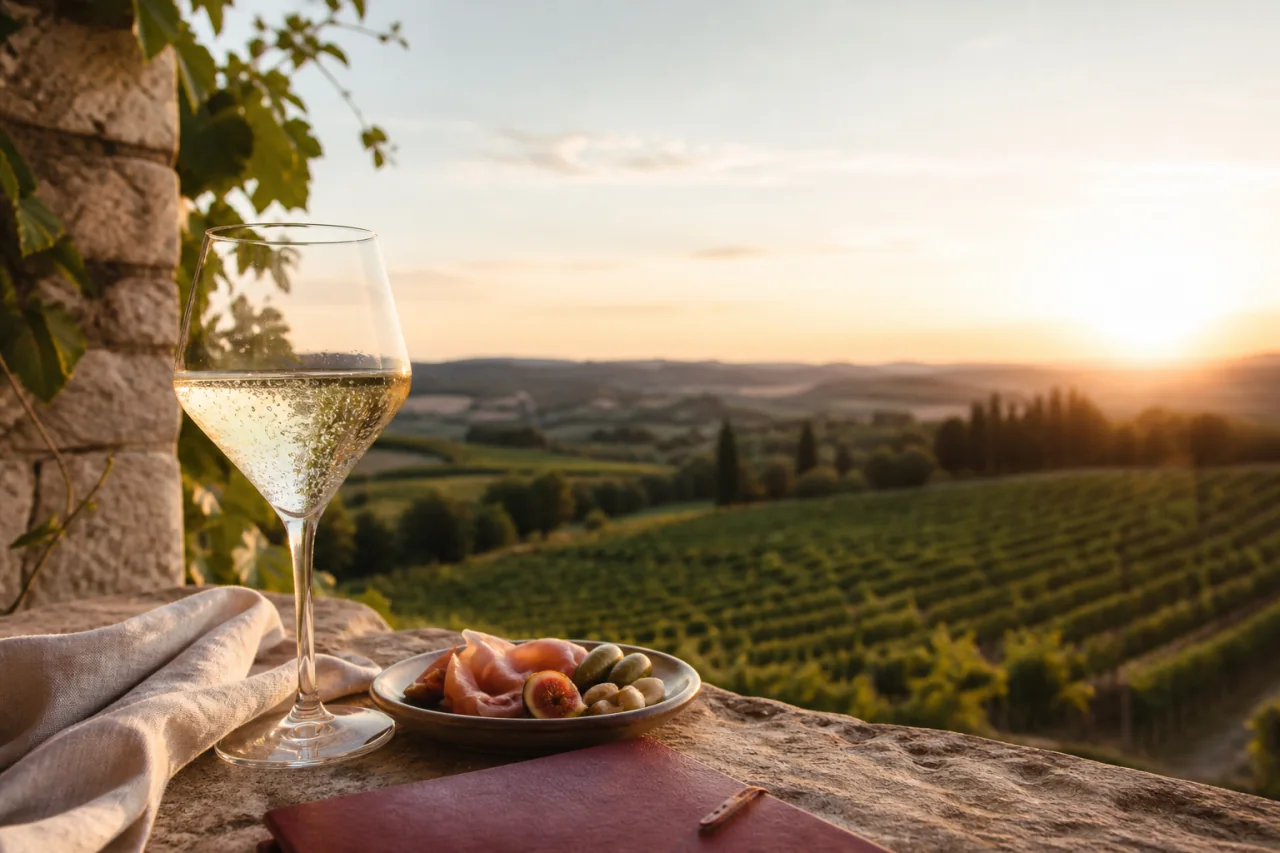
The days are getting longer, patios are opening up, and menus are shifting from hearty stews to fresh salads and grilled vegetables. Spring changes how we eat -- and it should change how we drink, too. That bold Cabernet Sauvignon that was excellent with your winter beef bourguignon? It feels heavy and out of place on a sunny terrace with a nicoise salad.
Spring is the season to refresh your wine rotation. Lighter whites, crisp roses, and even chilled light reds come into their own when the temperature rises and the food gets brighter. This guide walks you through the best spring wines and how to pair them with the season's best dishes.
Why Spring Wine Is Different from Winter Wine
This isn't just about preference -- there's actual science behind why lighter wines taste better in warmer weather:
- Acidity refreshes -- wines with bright acidity feel cooling and thirst-quenching. In winter you crave warmth and richness; in spring you want energy and freshness.
- Alcohol warms -- heavy wines at 14-15% alcohol feel oppressive in warm weather. Lighter wines (11-13%) are more drinkable and let the food shine.
- Tannins need fat -- the firm tannins that worked very well with a winter stew feel clunky alongside a light spring salad. Less tannin means more versatility.
- Fruit shifts -- from dark fruit (blackberry, cassis) to lighter fruit (citrus, peach, red berries). The seasons on your plate and in your glass should align.
The bottom line: spring wine is lighter, fresher, and more vibrant. That doesn't mean less interesting -- quite the opposite. It demands more nuance and subtlety.
Spring White Wines: Freshness First
White wine is the natural choice for spring, but not every white works. A heavy, buttery California Chardonnay is just as out of place as that Cabernet. You want mineral freshness, herbal notes, and lively fruit.
Sauvignon Blanc
The quintessential spring wine. Whether from the Loire Valley (Sancerre, Pouilly-Fume) or New Zealand (Marlborough), Sauvignon Blanc brings green freshness, citrus, and an almost herbal quality. It's the classic match for asparagus and works beautifully with goat cheese salads, grilled fish, and spring herbs.
Gruner Veltliner
Austria's secret weapon. Gruner Veltliner has a unique spicy, peppery character with white pepper and green herb notes. It's surprisingly versatile with spring dishes -- from fresh herb pasta to white fish with lemon. If you haven't tried it, spring is the right time to start.
Vermentino and Verdicchio
Italian white wines that fly under the radar but are great for patio drinking. Vermentino (from Sardinia and Liguria) brings saline mineral tones and citrus. Verdicchio (from Le Marche) has an almond-like finish with fresh fruit. Both are made for seafood and light salads.
Albarino
From northwestern Spain (Rias Baixas), this aromatic white offers peach, apricot, and a saline undertone. Albarino is the wine that best accompanies a spring lunch by the coast -- or on your own balcony pretending you're there.
Rose: The Ultimate Spring Wine
Rose has an undeserved reputation as a simple summer sipper. The truth is that good rose is one of the most versatile wine styles in existence -- and spring is the right time to discover that.
The secret lies in the method. Serious rose is made through brief skin contact with red grapes, resulting in a wine with the freshness of white and a hint of red's structure. This makes rose uniquely suited for spring dishes that are too hearty for white but too light for red.
Which rose style for spring?
- Provence rose -- pale, dry, mineral. The most elegant style. Excellent with salads, fish, and light starters.
- Cerasuolo d'Abruzzo -- deeper colour, more red fruit, slightly more body. Excellent with tomato-based pasta or pizza.
- Tavel -- the only AOC in France that exclusively produces rose. Fuller, more powerful, almost a light red. Pairs well with grilled lamb or spicy food.
- Navarra rose -- Spanish, fruity, outstanding value. A versatile patio rose that works with almost anything.
Light Red Wines: Spring's Best-Kept Secret
Red wine in spring? Absolutely -- but the right kind. Forget the heavy, tannic powerhouses. Spring calls for light, fruity reds with low tannins and bright acidity. And here's the trick that makes all the difference: serve them slightly chilled (14-16 degrees Celsius / 57-61 Fahrenheit).
Beaujolais (Gamay)
The best spring red that almost nobody considers. Beaujolais -- especially the Crus like Fleurie, Morgon, and Chiroubles -- offers juicy red fruit, flowers, and a refreshing lightness. Slightly chilled on the patio, this is a revelation with charcuterie or a cheese board.
Pinot Noir (lighter styles)
Not the heavy Burgundy Grand Cru, but lighter styles from Alsace, Germany (Spatburgunder), or New Zealand. Red berries, cherry, and a touch of earth. Excellent with grilled salmon or chicken with spring herbs.
Valpolicella Classico
Not the Ripasso or Amarone -- those are too heavy. A classic Valpolicella from the base zone offers cherries, herbs, and a refreshing lightness that pairs very well with Italian spring dishes like risotto with spring vegetables or vitello tonnato.
Spring Wine with Classic Spring Dishes
Spring brings its own ingredients to the table. Here are the best combinations:
Asparagus
The most feared ingredient among wine lovers, because asparagus contains sulfur compounds that make many wines taste metallic. The solution: herbal, mineral white wines. Gruner Veltliner is the number one choice, followed by Loire Sauvignon Blanc. Read our complete guide to wine with asparagus.
Lamb
Spring lamb is more tender and delicate than autumn lamb. With grilled lamb chops, choose a light to medium red: Cotes du Rhone, Rioja Joven, or Pinot Noir. With slow-roasted leg of lamb, the wine can be a touch bolder: Chateauneuf-du-Pape or Barbaresco. More details in our complete lamb pairing guide.
Salads and light starters
Goat cheese salad: Sauvignon Blanc or dry rose. Smoked salmon salad: Gruner Veltliner or Chablis. Caprese: Vermentino or light rose. The rule: the wine should be at least as fresh as the salad.
Spring fish and seafood
Fresh fish is at its best in spring. Grilled sea bass or sea bream pairs beautifully with Albarino. Mussels or prawns work with Muscadet or Picpoul de Pinet. For a richer fish dish with butter sauce: a lightly aged Chablis.
Risotto and pasta with spring vegetables
Risotto with peas and mint: Soave or Gavi di Gavi. Pasta primavera: Verdicchio or light rose. Asparagus risotto: Gruner Veltliner again. The pattern is clear -- spring dishes demand spring-like wines.
Serving Temperature: The Secret Weapon
Serving temperature makes more difference than most people realise -- and in spring it matters even more. A too-warm wine tastes flat and alcoholic. A too-cold wine loses its aromas.
- Crisp white wine (Sauvignon Blanc, Gruner Veltliner): 8-10 degrees C / 46-50 F. From the fridge, let it stand for 5 minutes.
- Rose: 10-12 degrees C / 50-54 F. Cooler than most people think. Not ice-cold -- you won't taste anything.
- Light red wine (Beaujolais, light Pinot Noir): 14-16 degrees C / 57-61 F. Pop it in the fridge for 20 minutes before serving.
- Full white wine (Chardonnay, Viognier): 12-14 degrees C / 54-57 F. Too cold kills the complexity.
Want to know exactly how to serve every wine style? Read our guide on wine serving temperature.
Discover your spring wine pairing
SommelierX analyses your ingredients and calculates the ideal wine match. From asparagus to lamb chops -- not a guess, but flavour science.
Try SommelierX FreeOr get the app:

Frequently Asked Questions
What wine should I drink in spring?
Spring calls for fresh, light wines with lively acidity. Sauvignon Blanc, Gruner Veltliner, dry rose, Pinot Grigio, and light reds like Pinot Noir or Beaujolais are ideal. Look for wines under 13% alcohol with vibrant fruit and mineral character rather than the heavy powerhouses of winter.
Can you drink red wine in spring?
Absolutely. Light-bodied reds like Beaujolais (Gamay), Valpolicella, and lighter Pinot Noir are excellent spring wines. The key is to choose reds with low tannins and serve them slightly chilled at 14-16 degrees Celsius. They pair beautifully with charcuterie, grilled chicken, and spring vegetables.
What wine pairs with asparagus?
Asparagus contains sulfur compounds that make many wines taste metallic. Sauvignon Blanc from the Loire Valley or Gruner Veltliner from Austria work best because their herbal, green character complements asparagus rather than clashing with it. Avoid oaky or heavy wines -- they make the metallic taste worse.
Looking for more seasonal inspiration? Explore our guides on wine with asparagus, wine with lamb, and the right serving temperature.