Rose Wine Guide: So Much More Than Just a Summer Wine
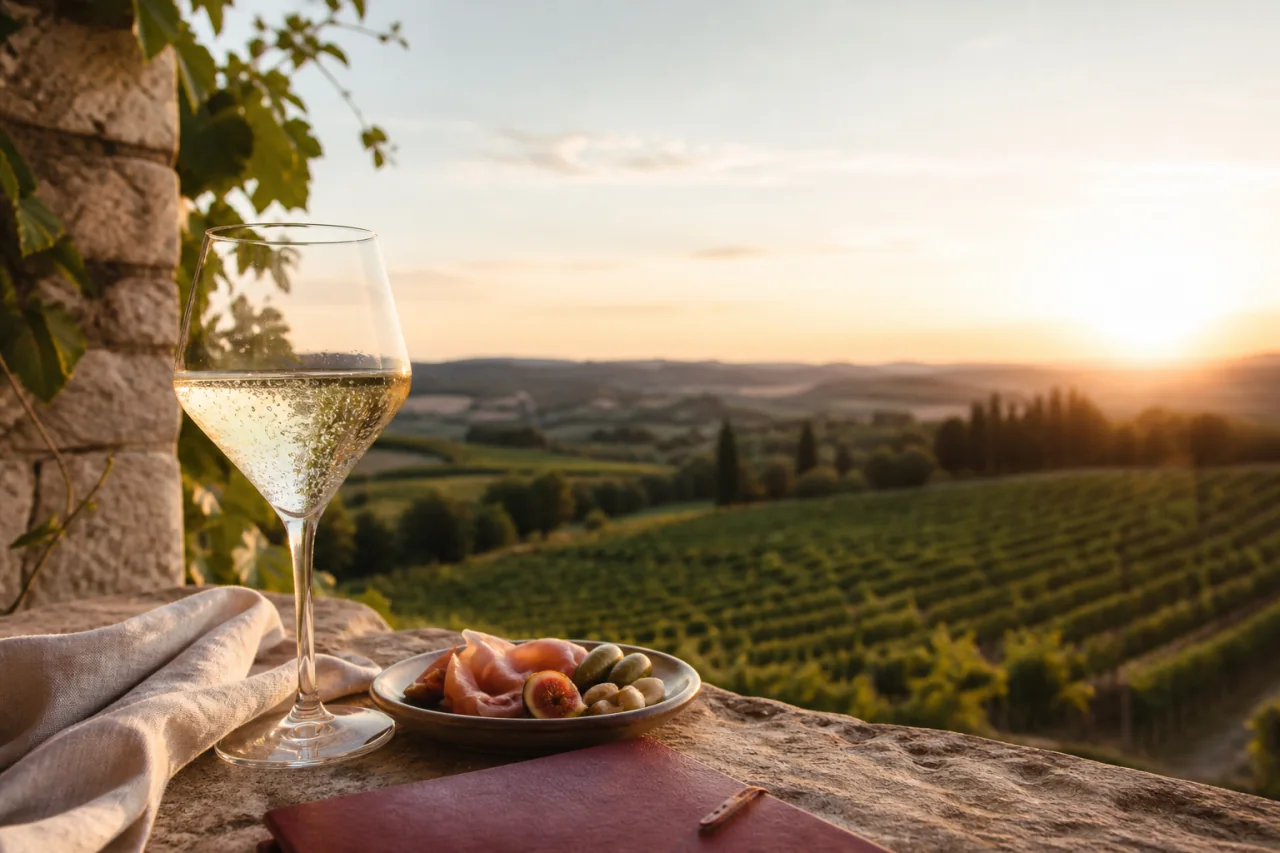
Rose has an image problem. For many people, it's a simple patio wine -- pleasant in the sunshine, but not serious enough for dinner. That reputation is undeserved and outdated. The reality is that rose is one of the most versatile and undervalued wine styles in the world.
Over the past decade, the quality of rose wine has risen dramatically. Top producers in Provence, Italy, Spain, and the New World are making roses that compete with the best white and red wines. And when it comes to food pairing, rose may be the most flexible wine that exists -- combining the freshness of white with a touch of red's structure.
In this guide, we walk you through everything you need to know about rose: the styles, the grape varieties, the regions, and above all -- which food to pair with which rose.
How Rose Wine Is Made
The first misconception: rose is not a blend of red and white wine. There are three methods for making rose, and the method determines the style:
Direct pressing (methode provencale)
Red grapes are pressed immediately, just like white wine. The juice has minimal skin contact, resulting in a very light, pale pink colour with delicate fruit and mineral tones. This is the Provence style -- elegant, dry, subtle.
Short maceration (saignee)
Red grapes are left on their skins for a few hours to a day. The longer the contact, the deeper the colour and the more structure the wine develops. This produces roses with more body, more red fruit, and more character. Tavel and Cerasuolo are often made this way.
Blending (Champagne only)
For rose Champagne, a small percentage of red wine may be added to the white base. This is the only French AOC where this is permitted. It results in complex, structured sparkling wines with red fruit and toast.
The method determines not just the colour but the entire flavour profile. A pale Provence rose tastes fundamentally different from a deep pink Tavel -- and both have their place at the table.
Rose Wine Styles: From Whisper-Light to Nearly Red
The world of rose is far more diverse than most people realise. Here are the key styles:
Provence Rose
The benchmark. Pale salmon pink, dry, mineral, with delicate tones of strawberry, citrus, and herbs. Made from Grenache, Cinsault, and Mourvedre. The most elegant style, excellent as an aperitif or with light dishes.
Tavel
The only AOC in France that exclusively produces rose. Deeper in colour, fuller in body, with more red fruit and spice. Tavel is the rose you can treat like a light red wine -- robust enough for grilled meats and spicy food.
Cerasuolo d'Abruzzo
Italian, made from the Montepulciano grape. Cherry-red in colour, juicy, with pronounced cherries and a hint of almond. More body than Provence, less than Tavel. Excellent with Italian cuisine -- pasta, pizza, antipasti.
Navarra Rose
Spanish, often from Garnacha. Fruity, approachable, outstanding value. The ideal everyday rose for the patio. Less complex than Provence, but honest and refreshing.
Bandol Rose
Premium Provence-style with more body, thanks to a higher percentage of Mourvedre. More complex and fuller than standard Provence, with notes of herbs, stone, and garrigue. Can even age for a few years.
New Zealand and California Rose
The New World is producing increasingly excellent roses, often from Pinot Noir. Slightly fruitier and riper than European styles, but with good acidity. An interesting alternative for those seeking more fruit expression.
Rose with Food: The Ultimate Pairing Guide
This is where rose truly shines. The combination of freshness, light fruit, and subtle structure makes it more broadly versatile than any other wine style.
Fish and seafood
Provence rose with grilled fish, shellfish, and sushi. The mineral dryness and acidity work exactly like a squeeze of lemon on your fish -- lifting the flavours without dominating.
Salads and light starters
Goat cheese salad, caprese, carpaccio -- rose fits everything where white has just too little body and red has too much. It's the golden middle ground.
Pizza and pasta
With tomato-based pasta, Cerasuolo d'Abruzzo works very well -- the cherry fruit complements the tomato and the acidity is in balance. With pizza margherita, a Navarra rose is ideal. See also our guide on wine with pizza.
Asian food
Rose is a secret weapon with Asian cuisine. The freshness balances heat and spice, the light fruit complements sweet-and-sour sauces, and the absence of tannin prevents clashes with chilli. Provence rose with sushi, Tavel with Thai curry.
Tapas
With tapas, rose is the natural all-rounder. From patatas bravas to jamon iberico, from gambas al ajillo to manchego -- a dry rose brings everything together without clashing with any single dish. See also wine with tapas.
Grilled meat
Tavel and Bandol rose are robust enough for grilled lamb chops, herbed chicken, and even a lighter steak. It surprises many people, but a full-bodied rose can effortlessly take the place of a light red wine.
Spicy food
With spicy dishes, rose outperforms most red wines. Tannins amplify the heat sensation, but rose has virtually no tannin. The freshness and fruit temper the spice rather than intensifying it.
Serving Temperature: It Really Matters
The right temperature can make a good rose great -- or make a great rose boring. Here are the guidelines:
- Provence rose (light style): 8-10 C / 46-50 F. Crisp, nearly cold. Emphasises the mineral dryness.
- Cerasuolo, Navarra (medium style): 10-12 C / 50-54 F. Slightly warmer so the fruit comes forward.
- Tavel, Bandol (full style): 12-14 C / 54-57 F. A touch warmer still -- these roses have body you'll miss at too low a temperature.
- Rose Champagne: 6-8 C / 43-46 F. Cold, like all Champagne.
The golden rule: better slightly too cold than too warm. The wine will warm up in your glass. A too-warm rose loses its freshness and tastes flat. More details in our guide on wine serving temperature.
Quality Tips: How to Choose a Good Rose
The rose market is large and quality varies enormously. Here are practical tips:
- Drink young -- most roses are at their best within the first year after harvest. Check the vintage on the label and choose the most recent.
- Colour doesn't tell the whole story -- a pale rose isn't automatically better than a deeper one. The colour depends on the grape and the method, not the quality.
- Provence isn't always the best -- there are excellent roses from Italy, Spain, and the New World that cost less. With Provence, you're also paying for the image.
- AOC/DOP is a quality indicator -- when in doubt, choose a wine with a designation of origin. Cotes de Provence, Tavel, Cerasuolo d'Abruzzo -- these designations guarantee a minimum quality standard.
- Price sweet spot -- between $10 and $20, you'll find the best value. Under $10 is often too simple; over $25 you're paying for prestige.
Rose All Year Round
Stop drinking rose only in summer. Here's how to enjoy rose throughout the year:
- Spring -- Provence rose with asparagus and spring salads. Navarra rose with tapas on the first warm patio day.
- Summer -- the classic setting. Cold rose with barbecue, seafood, and salads.
- Autumn -- Tavel or Bandol with mushroom risotto, grilled poultry, and autumn stews. The fuller roses work surprisingly well.
- Winter -- Cerasuolo with pizza and pasta on movie night. Tavel with fondue (the acidity cuts through the cheese). Rose Champagne for the holidays.
Discover the right rose for your dish
SommelierX matches rose styles at the ingredient level with your food. From Provence to Tavel -- which rose pairs with what you're cooking tonight?
Try SommelierX FreeOr get the app:

Frequently Asked Questions
Is rose wine only for summer?
Absolutely not. Rose wine is enjoyable year-round. In spring it pairs with asparagus and salads, in autumn with mushroom risotto, and even in winter with fondue or light stews. Provence-style rose is lighter and suits warmer weather, while Tavel or Cerasuolo is full enough for cooler evenings.
How should you serve rose wine?
The ideal serving temperature for rose is 10-12 degrees Celsius (50-54 F). That is cooler than most people think, but not ice-cold. Remove the bottle from the fridge 10-15 minutes before serving. Too cold and you taste nothing, too warm and the wine loses its freshness. Use a white wine glass to concentrate the aromas.
What food pairs well with rose wine?
Rose is one of the most versatile wine styles. Light Provence rose pairs with salads, fish, and seafood. Fuller rose (Tavel, Cerasuolo) pairs with grilled meat, pizza, and tomato-based pasta. Rose is also excellent with Asian food, tapas, and spicy dishes because its freshness balances the heat.
Looking for more wine inspiration? Read our guides on wine serving temperature, wine with tapas, and wine with pizza.